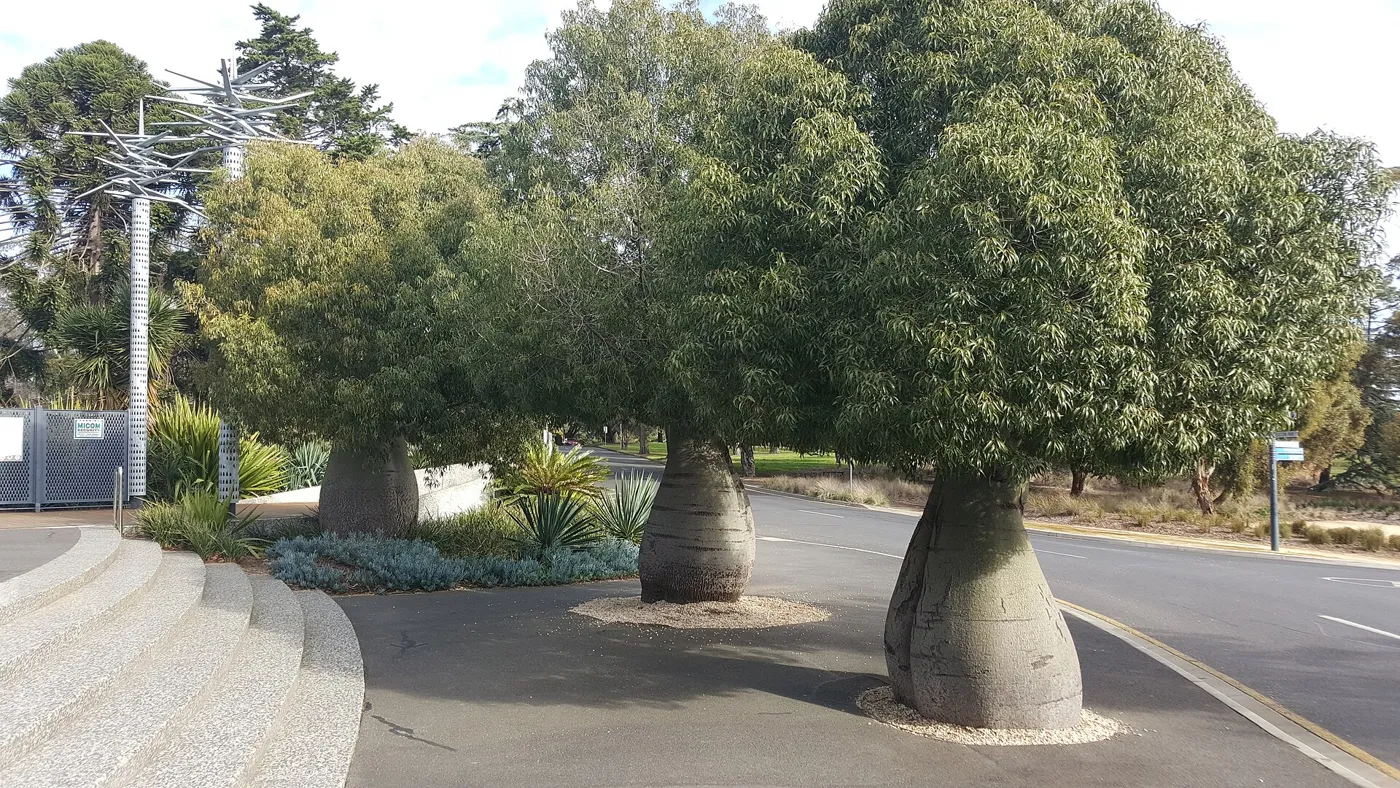
Geelong Botanic Gardens is the easy green hour in central Geelong. You walk up from the bay, pass a row of fat bottle trees, and the noise of the waterfront drops away. Entry is free. The gates are open every day of the year.
It is also older than most people expect. Eastern Hill, on the edge of Corio Bay, was set aside in 1851 for the city's botanic garden. That makes it the fourth oldest botanic garden in Australia, after Sydney, Hobart and Melbourne.
01 Start at the dry garden by the gate
The first thing you see is the 21st Century Garden. It opened in September 2002 and was built around plants that cope with drought. Some people were shocked by the stark look and the lack of lush lawn. Today it is the part most people photograph.
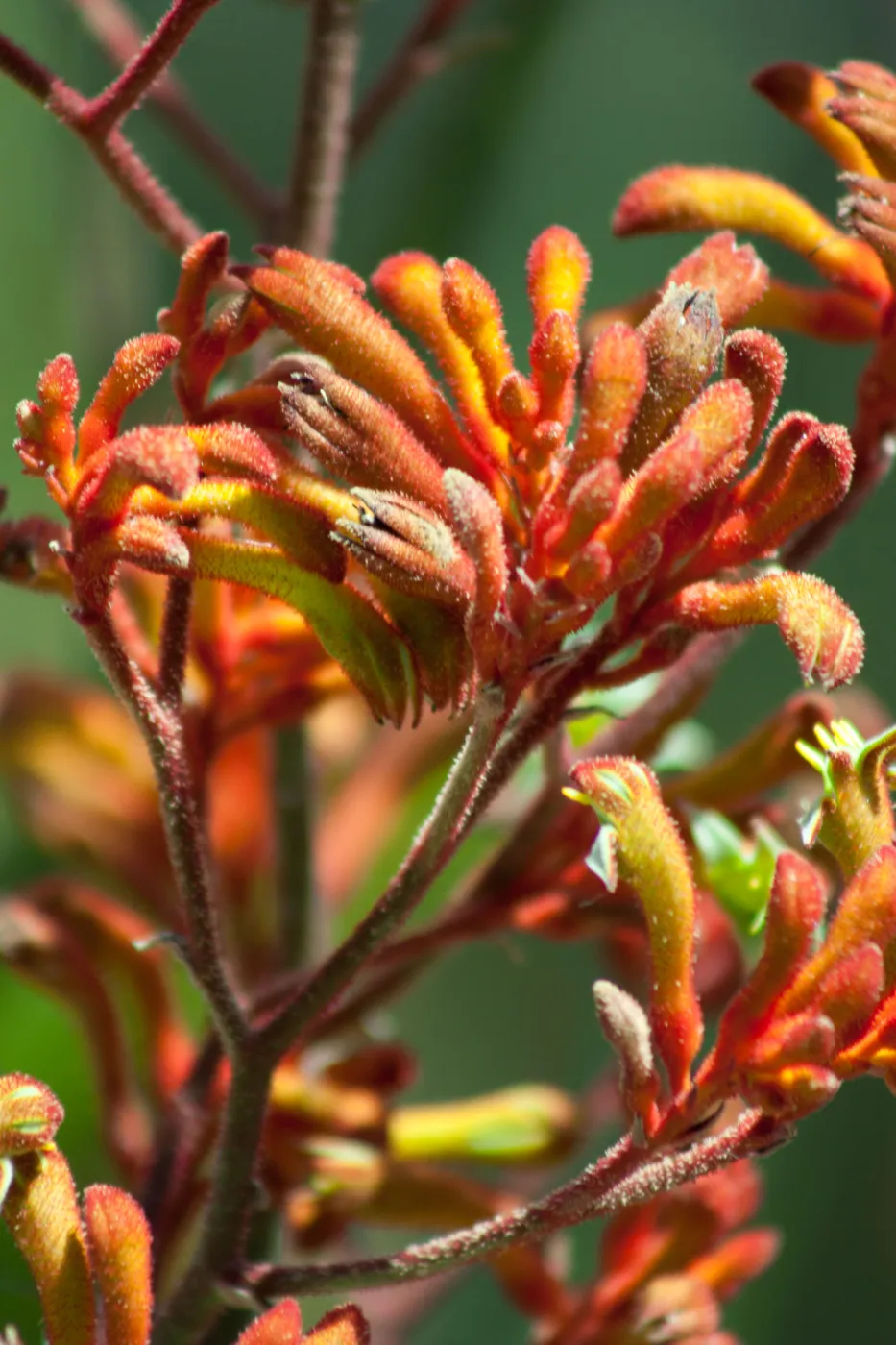
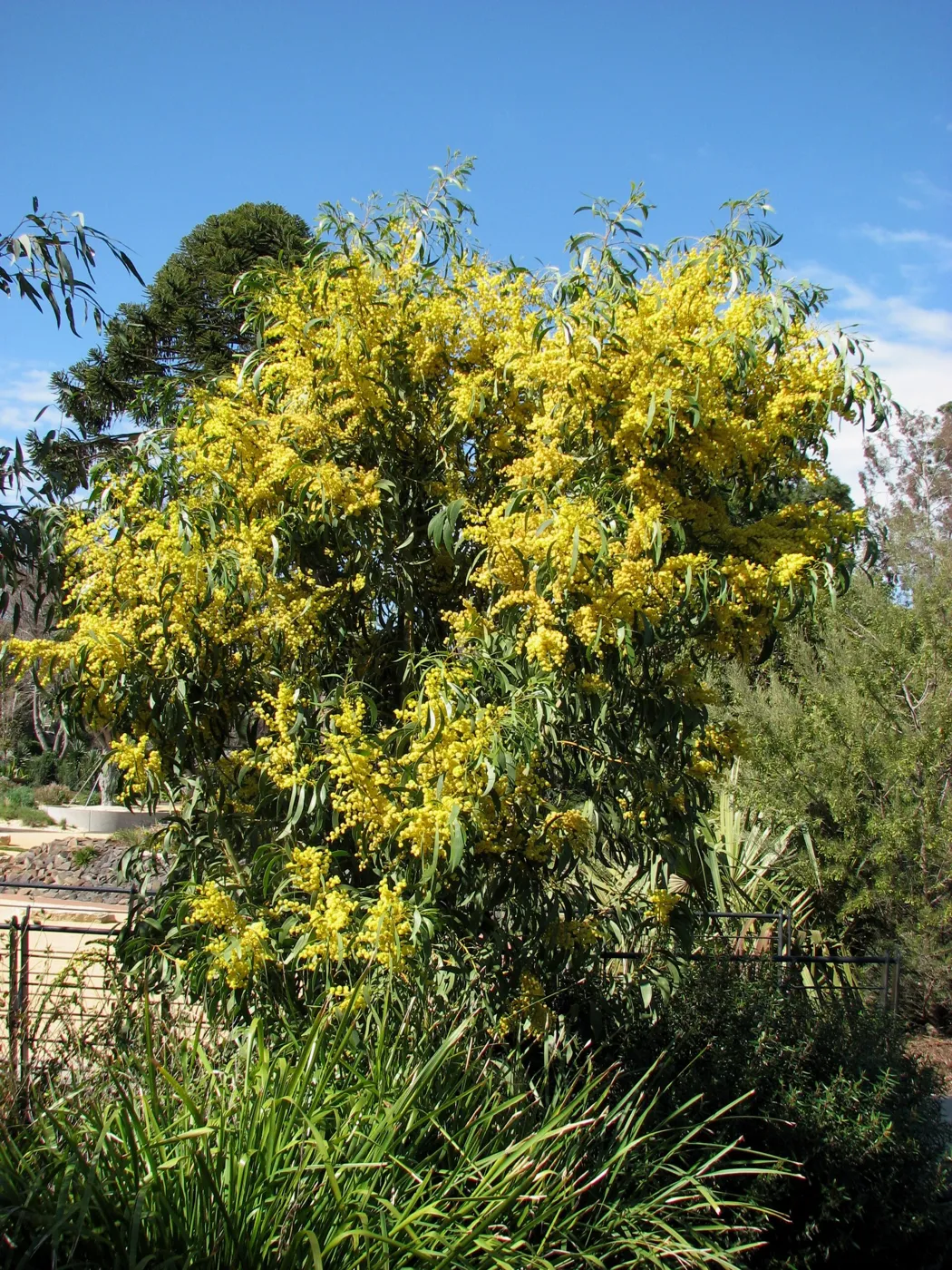
The entrance is lined with Queensland bottle trees, with their swollen grey trunks. Unique metal gates and sculptures mark the way in, set around a basin of granitic sand and local rocks. Look for kangaroo paw, grevillea and other native plants in the beds.

Take your time here if you like dry country plants. Central Australian species such as Livistona mariae and Macrozamia macdonnellii have been feature plants in an exhibition of Central Australian flora.
02 Walk through the Hansen Gates to the old garden
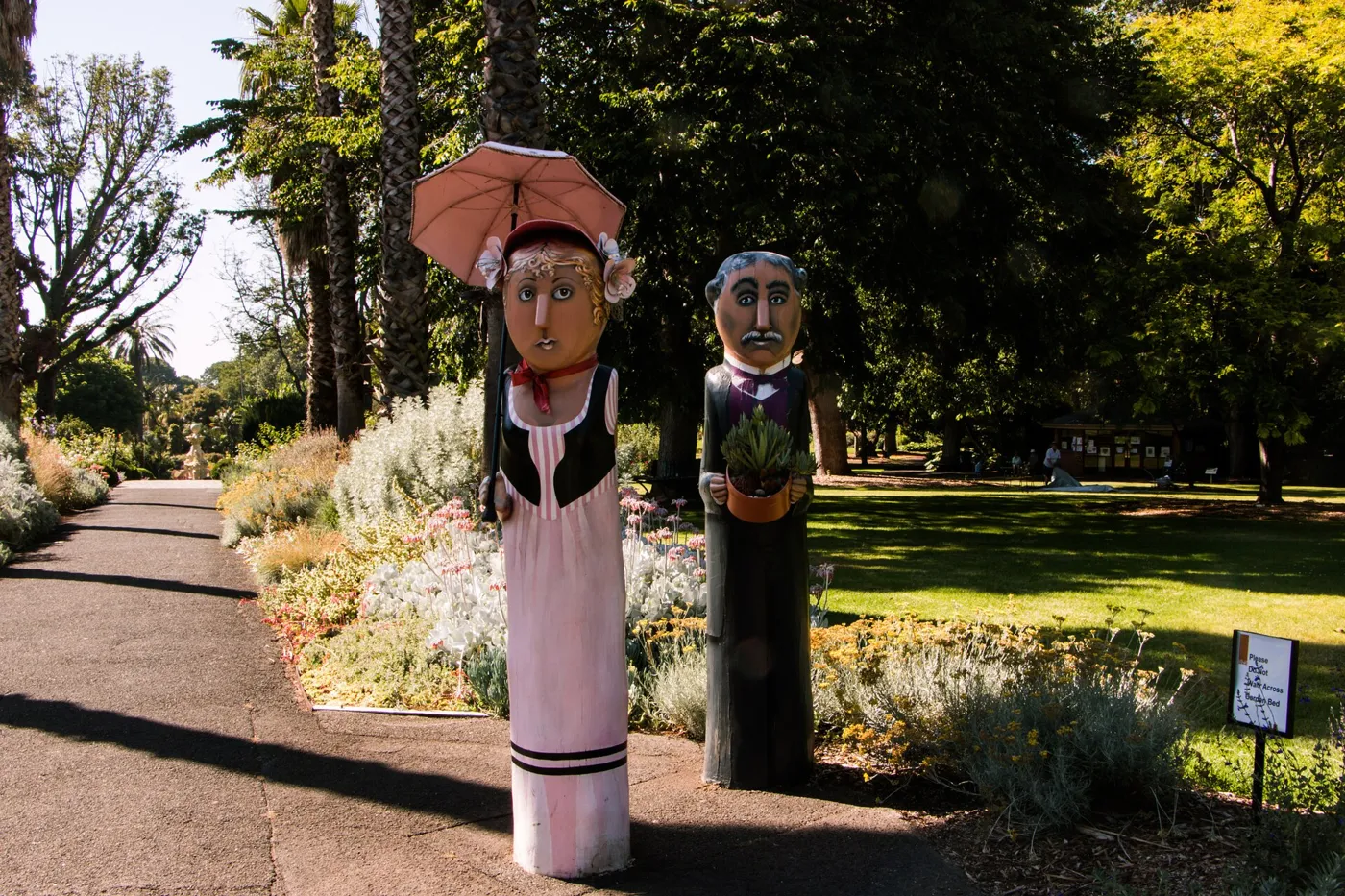
Past the dry garden, the Hansen Gates lead into the older part. The Friends describe it as the twentieth-century garden, with its sweeping lawns, feature trees, conservatory, teahouse and visitor facility. This is the part for a slow loop and a sit on the grass.
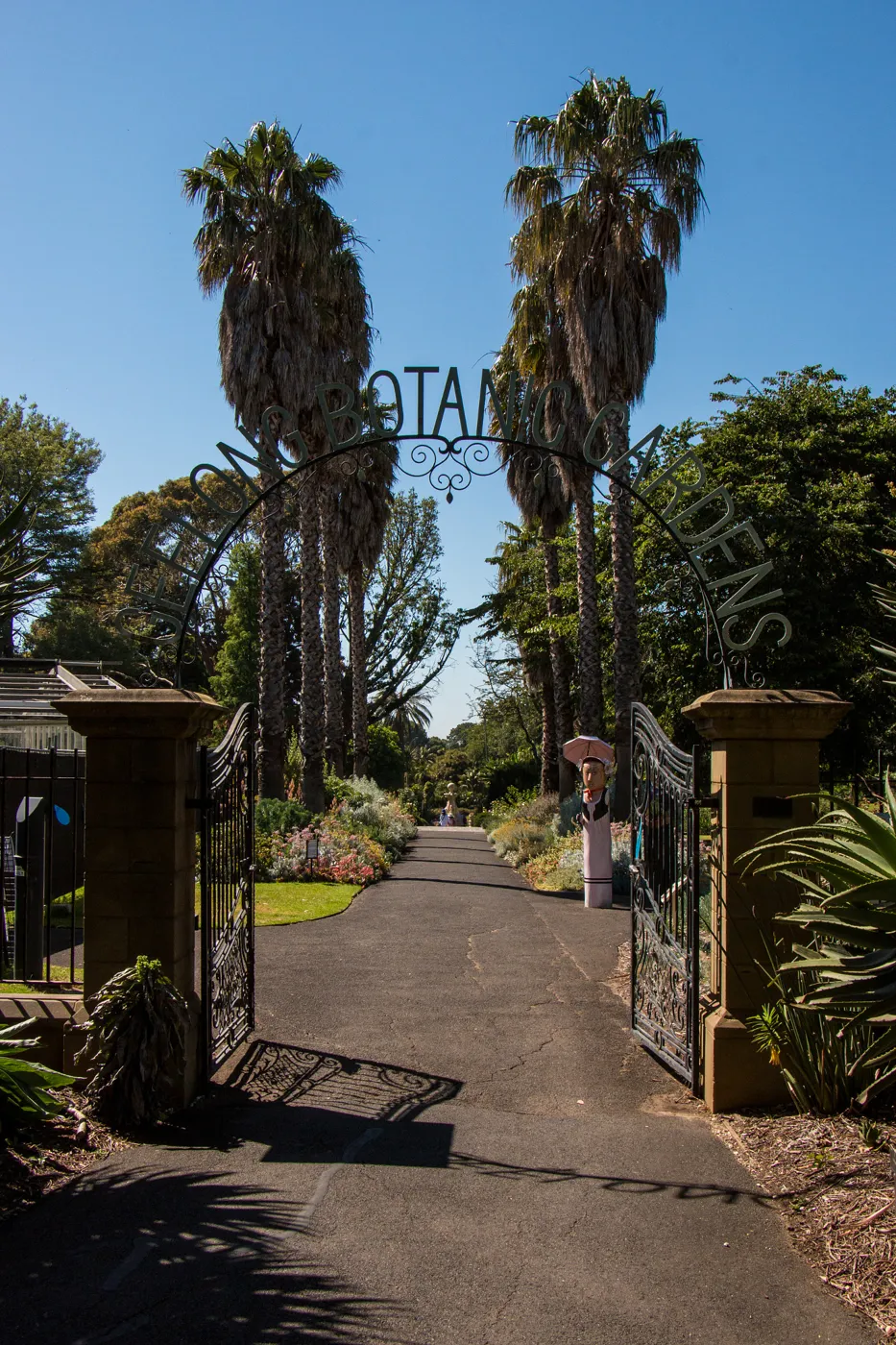

The story of this part goes back a long way. A committee of management was appointed in 1852 and the first curator, Daniel Bunce, arrived in 1857. He planted windbreaks and shrubberies along the carriage drives.
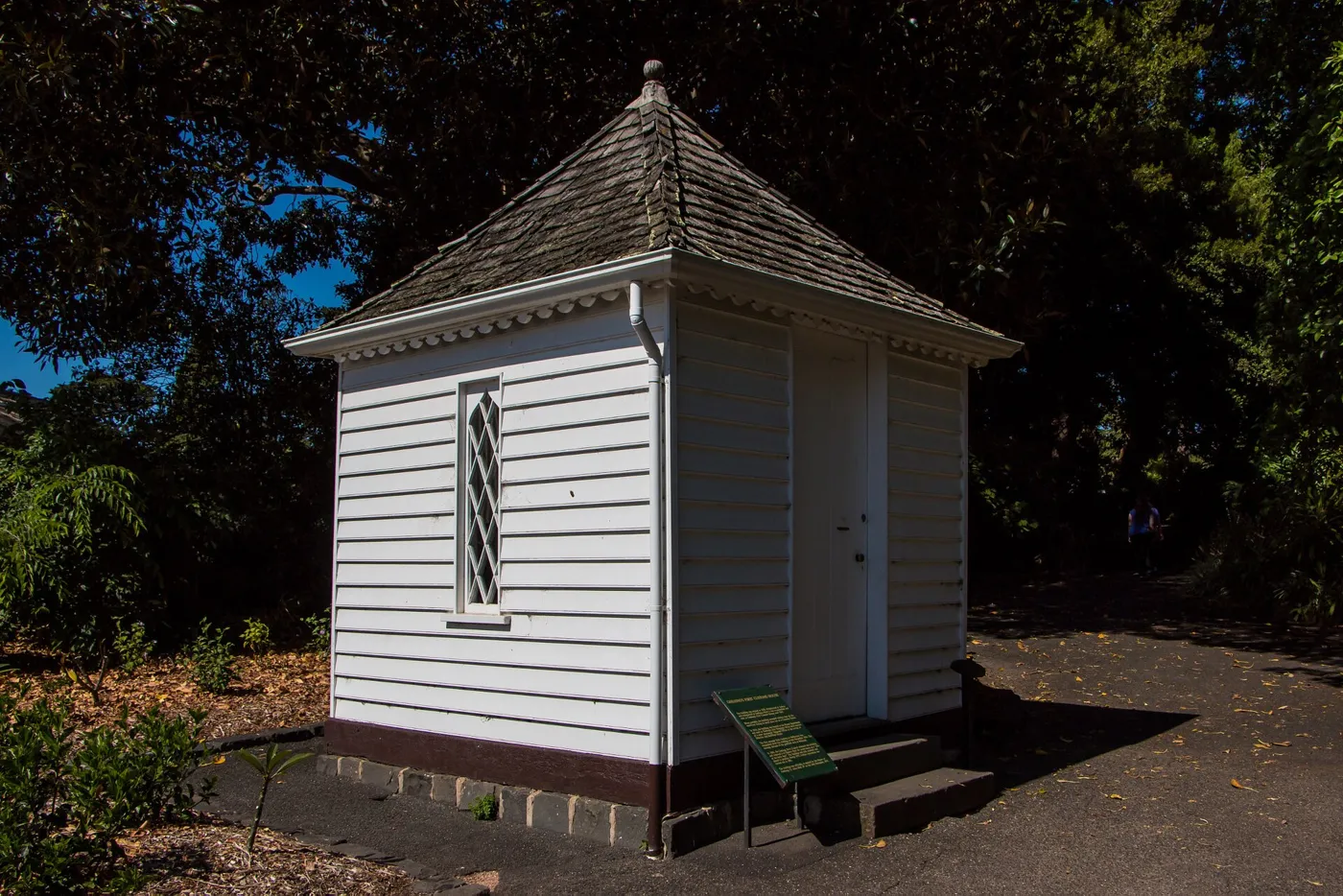
The next curator, John Raddenberry, added rotundas, a thatched summerhouse and an enormous timber lattice fernery with a pond. That fernery opened in October 1885. By the late 1800s the gardens also had an aviary, a monkey house and a fish hatchery.
03 See the conservatories and the roses
By 1960 the gardens had nearly doubled in size. The rose gardens were planted, the AL Walter Conservatory was built, and sculptures of Japanese cranes were moved up from Eastern Beach. The Florence E Clarke Geranium Conservatory followed in 1972.
The plant collections still reflect that history. They include Pelargonium and Salvia collections registered with OPCAA, heritage roses and a regional collection of Indigenous plants. If you only have time for one indoor stop, make it the geranium conservatory.

04 Stop for coffee and a sit
There is a café in the gardens called Where You Meet. The council page lists its hours, so check before you plan lunch around it. The lawns nearby are the best place to sit.
The Friends of Geelong Botanic Gardens formed in 1985. They set up a teahouse, worked on the rose gardens and the perennial border, and started a team of trained guides and a nursery.
Check today's café hours and any closures on the council's gardens page before you go. Open the gardens page

05 It is smaller than it was
The rest of Eastern Park is still open space. You can walk out through the trees and down toward the water when you are done.
06 Why the gardens stay green in a dry year
Plants from all over the world need very different amounts of water. The gardens run an irrigation system that can put out up to 28 megalitres of water a year. In the drought of 2006, the gardens were given an exemption from stage 4 water limits so the collection could survive.
The gardens and Eastern Park are listed on the Victorian Heritage Register. Some single trees are also on the National Trust register of significant trees.

07 Where to go after the gardens
Pair the gardens with a swim or a boardwalk walk at the bay. Read our Eastern Beach guide
08 Is it worth the walk up?
Quick answers
Is Geelong Botanic Gardens free?
Yes. The council says the gardens are free to come and enjoy, and they are open every day of the year.
Is there a café in the gardens?
Yes. The café inside the gardens is called Where You Meet. Check the council page for its hours on the day.
How old are the gardens?
Eastern Hill was set aside for the gardens in 1851. The Friends describe it as the fourth oldest botanic garden in Australia, after Sydney, Hobart and Melbourne.
What is the 21st Century Garden?
It is the dry garden at the front gate. It opened in September 2002 to show plants that cope with drought.
Sources we checked
- City of Greater Geelong, Geelong Botanic Gardens
- Friends of Geelong Botanic Gardens, History
- Wikipedia, Geelong Botanic Gardens
Checked against these pages on 26 October 2026.